
 AQ
AQ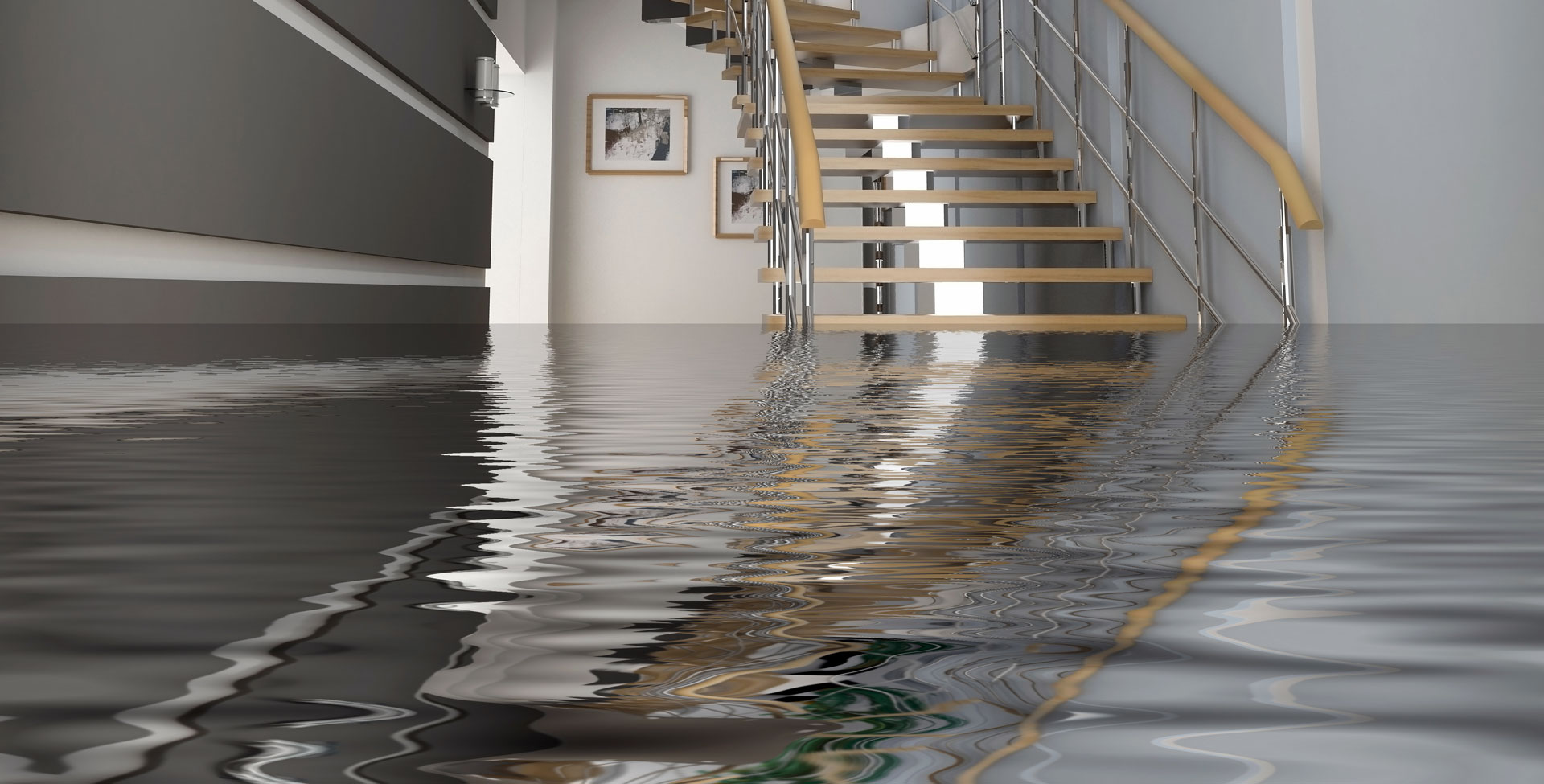
When you’re faced with water damage, it’s essential to understand the restoration process to ensure a successful recovery. You’ll want to know what to expect from the initial assessment to the final reconstruction phase. The journey begins with a thorough inspection to identify affected areas and potential safety hazards. But that’s just the beginning – what comes next is just as critical. You’ll need to understand how water extraction, drying, containment, and cleaning processes work together to salvage your property. Let’s break down each step to ensure you’re prepared for what’s ahead.
Initial Damage Assessment and Inspection
How quickly can you respond to water damage? The sooner you act, the better. Water damage can spread rapidly, causing further destruction to your property and increasing the risk of mold growth.
When you call a restoration company, they’ll dispatch a team to your location immediately.
Upon arrival, they’ll conduct an initial damage assessment and inspection to determine the extent of the damage. This involves a thorough walk-through of your property to identify all areas affected by water.
They’ll check for signs of water seepage, warping, or discoloration on walls, ceilings, floors, and furniture.
The team will also look for any potential safety hazards, such as structural damage, electrical issues, or contaminated water.
They’ll take notes and photos to document the damage, which will help them develop a plan for restoration and provide evidence for insurance claims.
Water Extraction and Drying Process
Your restoration team’s priority is to remove as much water as possible from your property to prevent further damage.
They’ll use specialized equipment, such as submersible pumps, wet/dry vacuums, and extractors, to extract standing water from your floors, carpets, and upholstery. This process is crucial in preventing water from seeping deeper into your property’s structure, causing more damage.
Once the bulk of the water is removed, the team will focus on drying your property.
They’ll use air movers, dehumidifiers, and other equipment to create an environment conducive to evaporation. This helps to dry out walls, floors, and other structural elements, reducing the risk of mold growth and further damage.
Throughout the drying process, the team will regularly monitor the moisture levels and adjust their equipment as needed to ensure your property is thoroughly dried. By doing so, they’ll help prevent secondary damage and create a safe environment for the next stages of the restoration process.
Damage Containment and Isolation
The scene of restoration services water damage damage can be chaotic, with waterlogged furniture, warped flooring, and sagging ceilings.
As you navigate this disaster, it’s essential to contain and isolate the affected area to prevent further damage. You’ll need to cordon off the area to prevent cross-contamination of clean spaces and to focus your restoration efforts.
Start by setting up barriers, such as plastic sheets or tarps, to seal off the affected zone.
This will help to contain the moisture and prevent it from spreading to other areas of your property. You’ll also need to shut off the power and gas supplies to the affected area to avoid any potential electrical shocks or explosions.
Next, you’ll need to identify and isolate the source of the water damage.
This could be a leaky pipe, a burst water heater, or a hole in the roof. Once you’ve identified the source, you can take steps to stop the flow of water and prevent further damage.
Cleaning and Sanitizing Affected Areas
Once you’ve contained and isolated the affected area, it’s time to tackle the daunting task of cleaning and sanitizing the damaged space.
You’ll need to remove any remaining water and debris, and then thoroughly clean and disinfect all surfaces to prevent the growth of mold and bacteria.
This involves using specialized equipment, such as wet/dry vacuums, pressure washers, and disinfectants, to ensure a deep and thorough cleaning.
You’ll also need to remove and dispose of any porous materials, like drywall or carpeting, that have been damaged beyond repair.
This is crucial, as these materials can harbor mold and bacteria, even after they’ve been cleaned.
Additionally, you’ll need to clean and sanitize any salvageable items, such as furniture or personal belongings, to prevent the spread of contamination.
Restoration and Reconstruction Phase
How can you transform a water-damaged space back into a safe, functional, and comfortable area?
The restoration and reconstruction phase is where you’ll bring your space back to life.
You’ll work with professionals to restore the structure, replace damaged materials, and rebuild what’s been lost. This phase requires careful planning, precise execution, and attention to detail.
You’ll start by assessing the extent of the damage and creating a plan to restore the space.
This may involve replacing drywall, flooring, and roofing, as well as reinstalling electrical and plumbing systems.
Your restoration team will work closely with you to ensure that the reconstruction meets your needs and complies with local building codes.
Throughout the process, you’ll want to prioritize quality, durability, and aesthetics.
You’ll choose materials that match the original design, ensuring a seamless blend of old and new.
With careful planning and execution, you’ll be able to restore your water-damaged space to its pre-loss condition, making it safe, functional, and comfortable once again.
Conclusion
You’ve made it to the end of the water damage restoration process. By now, you’ve got a clear understanding of what it takes to recover from a devastating water emergency. From initial assessment to reconstruction, each step is crucial in ensuring your property is restored to its pre-loss condition. Remember, prompt action and the right expertise are key to minimizing damage and getting your life back to normal.
